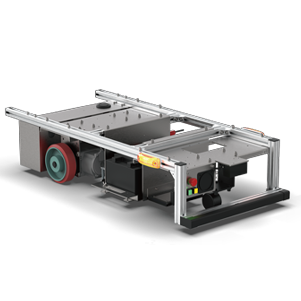
Custom Robot Chassis for Mobile and Legged Robots

We machine custom robot chassis and chassis parts to your drawing for AMR, quadruped, security and delivery robots.

Custom Robot Chassis for Mobile and Legged Robots Featured Image
Overview

What a robot chassis has to hold

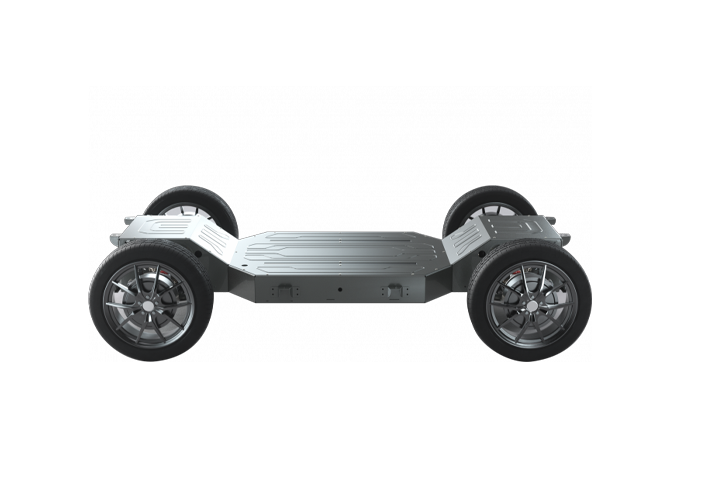
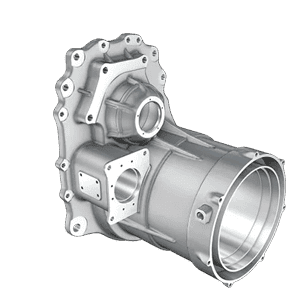
A robot chassis carries the drive or leg modules, battery, compute and sensors, and fixes the geometry between them. We do not sell hobby chassis kits; we machine your design.

  • Flat datum faces and accurate dowel holes
  • Parallel left and right drive mounts
  • Aligned hip bores on quadruped body frames
  • Prototype, engineering build, pilot and repeat batches
Request A Quote
Product Intro Image
What we machine

Robot chassis we machine

  • AMR and delivery
  • Security and patrol
  • Quadruped robots
  • Humanoid robots
  • Industrial AGVs
  • AMR and delivery robots
  • Security and patrol robots
  • Quadruped robots
  • Humanoid robots
  • Industrial AGVs
  • AMR and delivery robots

    Main plate or frame, drive-unit mounts, suspension brackets, battery bay, bumper and LiDAR brackets. Key requirements: flat datum faces and stiffness under payload.

  • Security and patrol robots

    Wheeled, outdoor platforms: sealed chassis frame, sensor mast base and enclosure interfaces, with corrosion protection and sealing faces for the IP class required (IEC 60529). See also patrol robots.

  • Quadruped robots

    Body frame, hip actuator mounts and battery tray. The chassis must hold stiffness-to-mass and impact loads, with aligned hip bores; 7075-T6 aluminum suits quadruped bodies.

  • Humanoid robots

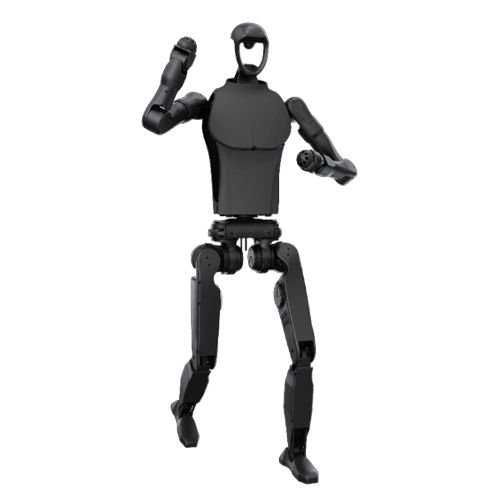
    On humanoid robots, the chassis role is taken by the pelvis and base structure. We machine these parts to your drawing; the humanoid frame requirements have their own page.

  • Industrial AGVs

    Chassis for industrial material-handling vehicles have their own page. The chassis described here are for AMRs and for service, security and legged robots.

Tech Specs

Technical Specifications

Product Specs Image
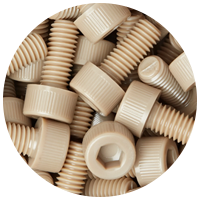
Material 6061-T6, 7075-T6 aluminum; steel brackets; PEEK, POM (Delrin)
Process CNC machined plate or billet; distortion control on large parts
Surface finish Black anodizing (MIL-A-8625 Type II); hard anodizing (Type III)
Steel finishes Black oxide or electroless nickel
Marking Laser-marked part and revision IDs; masked grounding faces
Tolerances Flatness, parallelism, dowel position per drawing (ASME Y14.5)
Quantities Prototype, engineering build, pilot and low-volume repeat
Application AMRs, quadrupeds, security, patrol and delivery robots
Highlights

Design points for a machined chassis

  • Datum strategy Featured Image

    Datum strategy

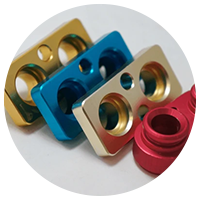
    One primary mounting face with dowel holes for drive modules and LiDAR, so sensor positions hold build after build.

  • Drive mounts Featured Image

    Drive mounts

    Axle and bearing bores held parallel left to right; a skewed mount means poor tracking and uneven wheel wear.

  • Lightweighting Featured Image

    Lightweighting

    Pocketing, rib layout and wall thickness set the mass, with enough material left around bolt bosses and dowel holes.

  • Battery and controller Featured Image

    Battery and controller

    Service access, a thermal path from electronics to a cooling plate or heat sink, and vibration isolation where needed.

Engineering

Machined vs sheet-metal vs extrusion chassis

ConstructionAccuracy and stiffnessIntegrated featuresBest for and cost profile
Machined plate or billetHigh: flat datum faces, accurate bores and dowel holesPockets, bosses, sensor faces and mounts in one partPrototypes, pilot fleets, chassis that carry calibrated sensors; higher cost per part, no tooling
Bent sheet metalLower; bends and welds move featuresLimited; brackets added laterHigh-volume enclosures and covers; low cost at volume, needs tooling
Aluminum extrusion frameMedium; depends on jointsFew; modules bolt onTest rigs and early platforms; fast and modular
Composition

Component Material & Finish

FAQs

Robot chassis FAQs

Send your chassis CAD and drawing; an engineer reviews datums and flatness before quoting. NDA on request.

What are the different types of robot chassis?
Wheeled (differential, skid-steer, omnidirectional), tracked and legged bodies. Construction can be machined plate, sheet metal, extrusion or a hybrid.
Do you sell robot chassis kits?
No. We machine custom robot chassis and chassis parts to your drawing.
What is the largest chassis part you can machine?
Aluminum 6061 or 7075 for a robot chassis?
6061-T6 for most plates and frames (cost, anodizing, corrosion). 7075-T6 where stiffness-to-weight or fatigue is critical, such as quadruped bodies.
How do you keep a large chassis plate flat?
Stress-relieved plate, balanced roughing, a rest step before finishing and careful fixturing, then CMM verification.
What is the difference between this and your AGV chassis page?
AGV chassis are built for industrial material-handling vehicles. The chassis described here are for AMRs and for service, security and legged robots.