Custom Precision Components for Robotic Joints

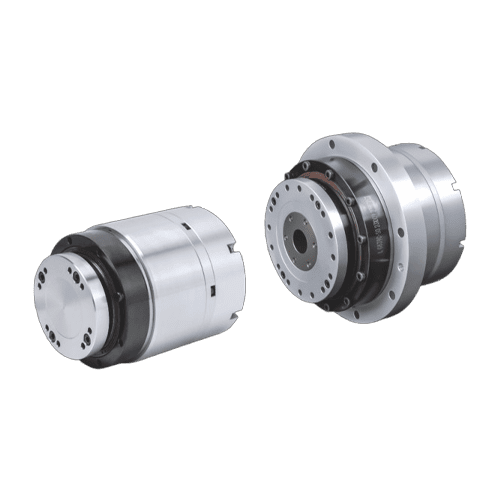
We machine custom robotic joint components with 5-axis precision, controlling bore tolerances, bearing fits, and concentricity to prevent assembly binding with proactive DFM support.
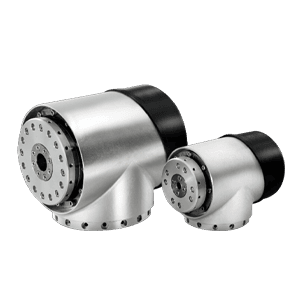
Custom Precision Components for Robotic Joints Featured Image
Overview

Why Joint Machining Accuracy Matters in Robotics

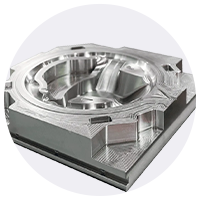
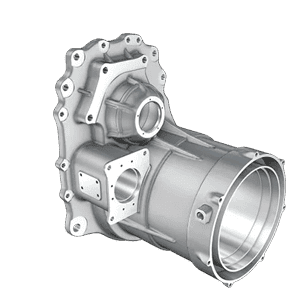
Robotic joint assemblies do more than house internal drives. They dictate rotational alignment, bearing fit, and overall motion smoothness across your system. We machine custom robotic joint housings, shafts, and structural parts using a 5-axis CNC machine, controlling bore tolerances, concentricity, and interface alignment in a single setup to prevent assembly binding from prototype testing to small batch production.
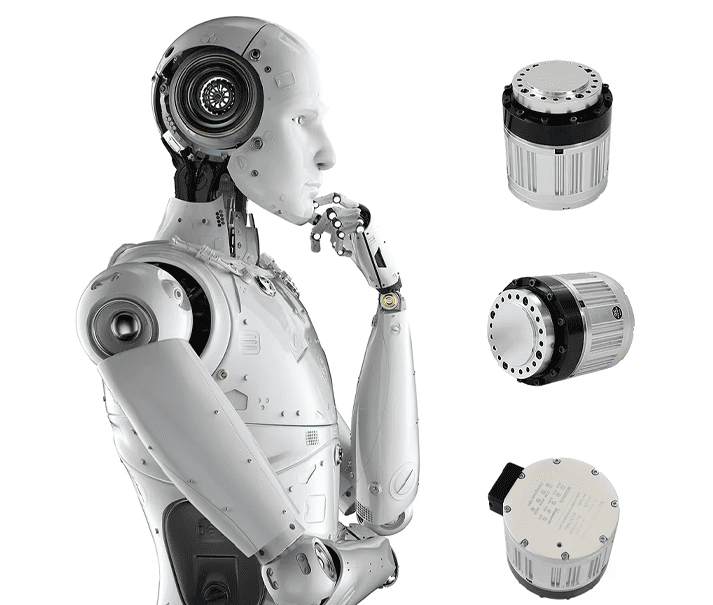
  • Bore and bearing interface accuracy for smooth fit.
  • Controlled concentricity to prevent assembly binding and wear.
  • Prototype and small batch support for fast validation.
  • CMM inspection for critical dimensions and GD&T features.
Request A Quote
Product Intro Image
PROJECT OVERVIEW

Manufacturing Details

Product Specs Image
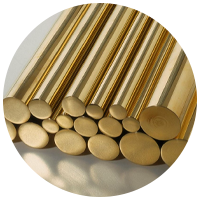
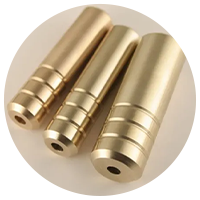
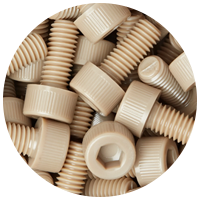
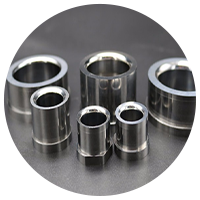
Material 7075-T6, 6061-T6, Stainless Steel, Titanium Gr5
Process 5-Axis Milling, CNC Turning, Mill-Turn
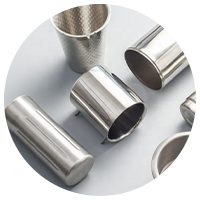
Surface Finish Hard/Clear/Black Anodizing, Electroless Nickel
Tolerance Bearing Fit ±0.005 mm, Concentricity ≤0.01 mm
Weight Max Diameter 300 mm, Max Height 250 mm
Application Joint Housings, Actuators, Motor Frames, Shafts-
Highlights

Why Choose Us for Robotic Joint Machining

  • Single-Setup 5-Axis Featured Image

    Single-Setup 5-Axis

    Machine multi-angle features and bearing bores in one setup for higher accuracy and concentricity.

  • Thin-Wall Control Featured Image

    Thin-Wall Control

    Optimized toolpaths and fixturing minimize distortion in lightweight, thin-walled robotic components.

  • Early DFM Review Featured Image

    Early DFM Review

    We review CAD files to improve manufacturability, optimize tolerances, and reduce production costs.

  • Flexible Prototyping Featured Image

    Flexible Prototyping

    Zero MOQ supports fast prototype validation and seamless transition to low-volume production.
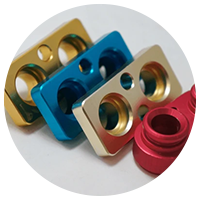
Composition

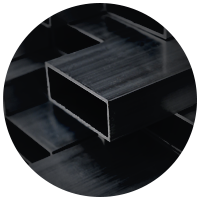
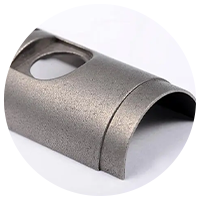
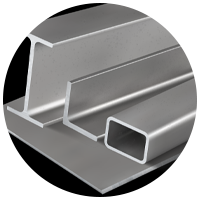
Component Material & Finish

FAQs

FAQs

Have technical questions about tolerances or machining specs for your robotic joint components? Upload your 2D/3D CAD drawings for a detailed DFM review and fast quote.

What CAD file formats do you accept for robotic joint component quoting?
We primarily accept STEP (.step / .stp), IGES (.igs), and PDF formats. Native SolidWorks (.sldprt) files are also supported. For accurate quotation and DFM review, please attach 2D PDF drawings for critical GD&T tolerances and bearing fits.
What tolerances and concentricity can you maintain for joint housings and shafts?
We maintain bore and bearing fit tolerances within ±0.005 mm and concentricity within ≤0.01 mm. Using 5-axis CNC machining, we complete multi-angle features in a single setup to eliminate alignment errors and prevent assembly binding.
How do you prevent machining distortion in lightweight, thin-walled joint parts?
Thin-walled housings are susceptible to clamping stress and thermal expansion. We utilize customized fixtures, optimized 5-axis toolpaths, and controlled stress-relief processes during machining to preserve dimensional stability and geometrical integrity.
Do you support single-unit prototyping for joint functional validation?
Yes. We offer Zero MOQ support for R&D engineering projects. You can order a 1-unit prototype for functional testing before proceeding to low-volume or production runs.
What quality inspection reports do you provide upon request?
Upon request, we provide a complete quality documentation package, including CMM dimensional reports, concentricity/runout verification, material test certificates (MTC), and surface finish measurements.
Can we sign a Non-Disclosure Agreement (NDA) before sharing CAD files?
Yes. We prioritize intellectual property protection and are fully prepared to execute a Non-Disclosure Agreement (NDA) before you upload confidential drawings or proprietary robot joint designs.