


01
Precision Machining

With 5-axis machining, we can machine complex geometries, angled features, and intricate surfaces more efficiently while maintaining accuracy and repeatability.
We provide 5-axis machining for robotic components such as harmonic reducer housings, joint modules, actuator housings, and precision motor mounts. By reducing setups and improving tool access, our process supports complex geometries, tighter feature control, and consistent part quality across prototype and production runs.
From early-stage planning and material selection to final inspection, RobotCNCParts works closely with engineering teams to improve manufacturability and reduce production risk. Our 5-axis capabilities are built to deliver strong, well-fitting components that perform reliably in demanding robotic systems.


RobotCNCParts operates under ISO 9001:2015, ISO 13485, and AS9100D quality systems to support demanding robotic and high-precision applications.

Our 5-axis capability enables efficient machining of complex robotic geometries, including angled features, deep pockets, undercuts, and multi-face surfaces in fewer setups.

We machine high-precision robotic components with tight tolerance control and stable repeatability, helping ensure consistent fit and performance across prototype and production runs.

Our team works with robotics engineers to review geometry, tolerances, and material selection, helping improve manufacturability and reduce production risk before machining starts.
Our success stories include: end effectors, automation parts, replacement parts, grippers, housings and fixtures, arm components and robotics assemblies.


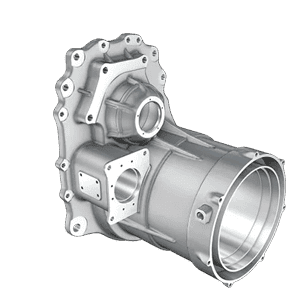

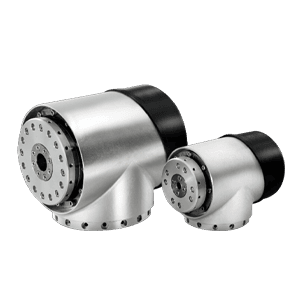


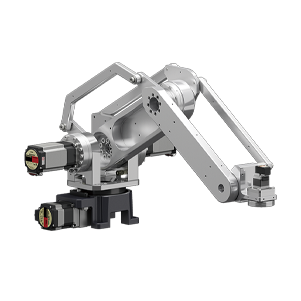


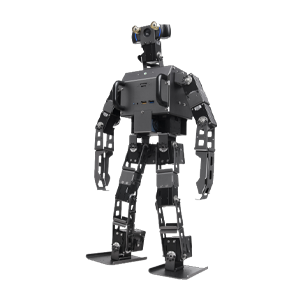
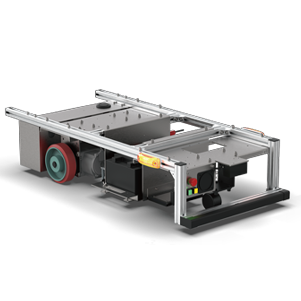


At RobotCNCParts, we specialize in machining various types of aluminum alloys, mainly including Aluminum 2024, 6061, and 7075. We manufacture robot structural parts, joints, connectors, housings, and load-bearing components.

We use brass (mainly C360 and C260) for machining connectors, threaded inserts, bushings, and sensor fittings in robots where low friction, conductivity, and machinability are essential.

Our team machines high-purity copper (e.g., C110) for robotic systems requiring thermal or electrical conductivity, ideal for heat sinks, contact pins, power connectors, and motor components.

RobotCNCParts machines stainless steel grades like 303, 304, and 316 for corrosion-resistant robotic parts, including shafts, brackets, enclosures, fasteners, and structural supports in demanding environments.

We machine titanium alloys such as Grade 2 and Grade 5 for robotic applications requiring strength-to-weight efficiency, such as actuators, exoskeleton parts, joints, and aerospace robotic systems.

Common types like A2, D2, and H13 are machined for wear-resistant robot components including gripper jaws, die inserts, cutting heads, and precision end-effectors under high stress.

RobotCNCParts machines ABS for robotic covers, casings, brackets, and lightweight non-load-bearing components, valued for its impact resistance, low cost, and ease of machining and finishing.

At RobotCNCParts, we machine Delrin (Acetal) for high-precision robotic gears, bushings, pulleys, and sliding parts where low friction, dimensional stability, and wear resistance are critical.

Machined Nylon parts include robotic spacers, rollers, cable guides, and mechanical insulators. It's ideal for wear resistance, toughness, and damping in moving assemblies.

PEEK is machined for high-performance robotic applications such as sensor housings, insulators, and high-heat environments, offering excellent strength, chemical resistance, and dimensional stability.

At RobotCNCParts, we machine polycarbonate for transparent robot parts, lenses, guards, and protective covers where high impact resistance and optical clarity are needed.

Machined PTFE is used for seals, insulators, and gaskets in robotic systems exposed to heat or chemicals, valued for low friction, high temperature tolerance, and non-stick properties.
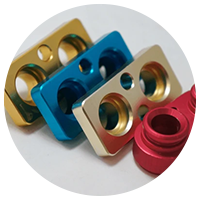
This electrochemical process enhances corrosion resistance and surface hardness, ensuring durability for aluminum robotic frames and structural components.
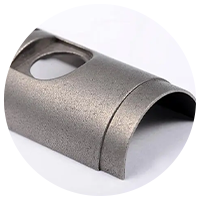
Creates a uniform matte finish by removing surface imperfections, providing a non-reflective, professional appearance for external robotic shells.
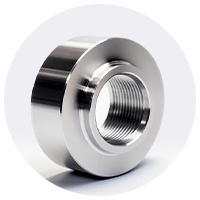
Delivers a thick, impact-resistant protective layer available in various colors, shielding robotic parts from heavy wear and abrasion.
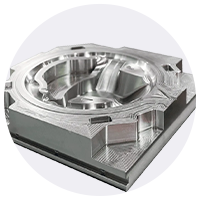
Removes microscopic peaks to create a sterile, friction-reduced surface, essential for medical or cleanroom robotic manipulation systems.
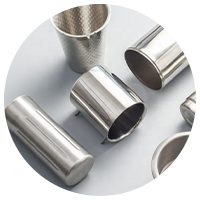
Provides excellent wear resistance and electrical conductivity, making it ideal for robotic joints and internal electronic connector housings.
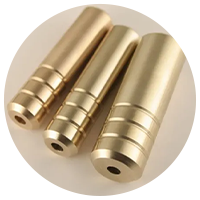
Offers a cost-effective corrosion barrier while maintaining electrical conductivity, perfect for grounding aluminum components within robotic assemblies.
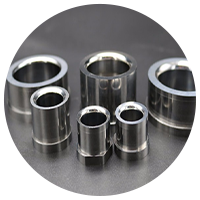
Achieves a high-gloss, ultra-smooth surface to minimize friction and prevent debris accumulation on precision robotic contact points.


Used these robot joints for a prototype arm. Small batch production was smooth, tolerances consistent, and the metal feels premium. I worried about alignment, but assembly went easy, no issues.


This robot joint reducer assembly fit right into our design. Rapid prototyping was fast, no backlash issues, assembly was smooth. I checked everything twice, but nothing to fix.


This robot joint gearbox housing came in for a small batch build. Finish is clean, holes line up well. I worried about lead time a bit, but it arrived when they said.


Used this gearbox assembly on a 6-axis arm rebuild. Fit was spot on, tolerances consistent. Delivery took a bit, not shocking, but performance-wise it’s solid and reliable so far.

Get quick insights about our 5 axis machining capabilities, quality standards, and global delivery for robotic components.


