Custom Robot Frame Parts for Humanoids and AMRs

We machine robot frame parts and structural links to your drawing for humanoid, quadruped and AMR builders.

Custom Robot Frame Parts for Humanoids and AMRs Featured Image
Overview

Robot frame parts machined to drawing

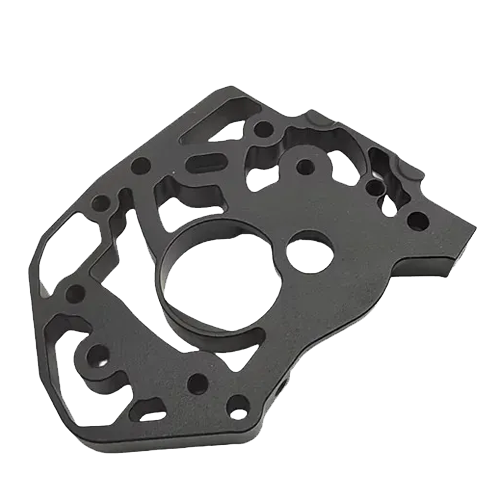
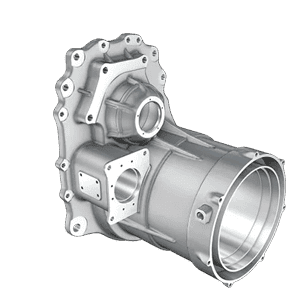
A robot frame is the load-bearing structure that locates every joint, actuator, battery and sensor. We machine its parts to drawing; see our robot frame machining practices.

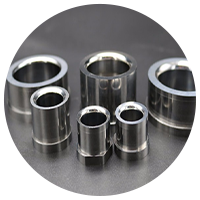
  • Fit-critical joint seats, bearing bores and dowel holes
  • Flat, parallel joint-mounting faces on long frames
  • CMM inspection report on request
  • Single prototypes to pilot and low-volume repeat batches
Request A Quote
Product Intro Image
What we machine

Robot frame types we machine

  • Humanoid frame
  • Quadruped frame
  • AMR frame
  • Arm and cobot
  • Humanoid
  • Quadruped
  • AMR, delivery, security
  • Arm and cobot structures
  • Humanoid

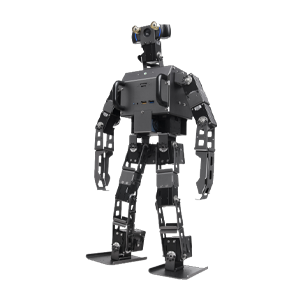
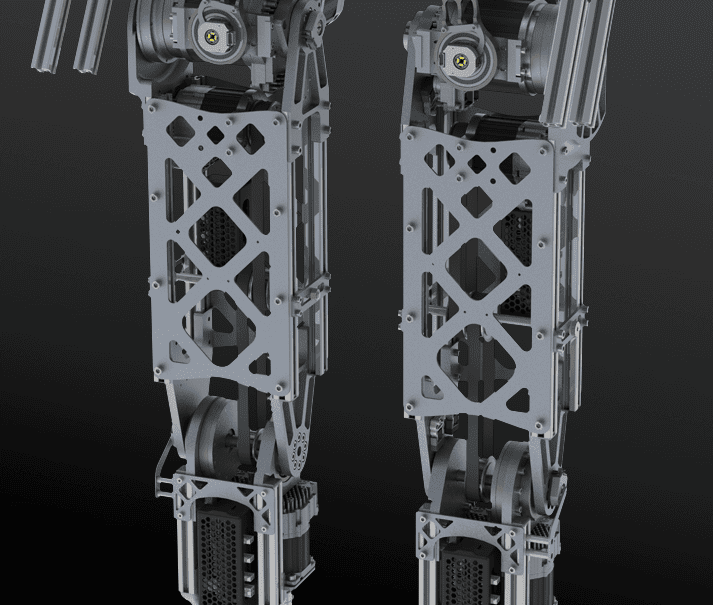
    Pelvis, torso and chest frame, shoulder brackets, thigh and shank frames. The key requirement is stiffness-to-mass, with aligned joint seats across the body.

  • Quadruped

    Body frame, hip modules and leg links for quadruped robots. These parts must carry impact loads and resist fatigue over the service life of the robot.

  • AMR, delivery, security

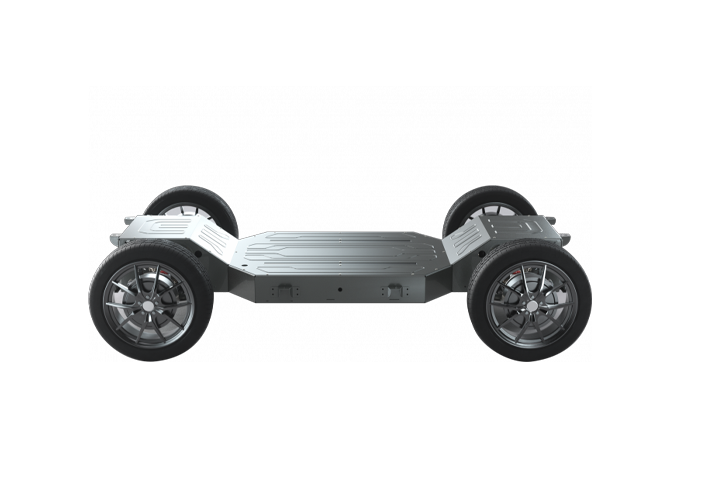
    Main frame, deck and battery bay frame for AMR, delivery and security robots. The key requirement is flat mounting planes; see also our AGV chassis.

  • Arm and cobot structures

    Link frames and base frames for robot arms and cobots, where the key requirement is deflection under payload. Tight tolerances go on the joint seats and mounting faces.

Tech Specs

Technical Specifications

Product Specs Image
Material 7075-T6/T651 and 6061-T6 aluminum; Ti-6Al-4V; 17-4PH stainless
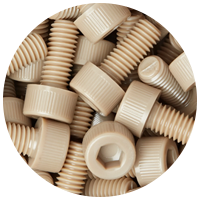
Plastics POM or PEEK for low-load covers and insulating brackets
Process 5-axis machining of pockets, ribs and angled faces
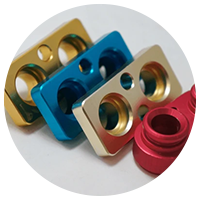
Surface finish Black anodizing (MIL-A-8625 Type II); hard anodizing (Type III)
Marking and masking Laser-marked part and revision IDs; masked bearing seats
Tolerances Per your drawing; GD&T to ASME Y14.5 or ISO 1101; ISO 2768-1
Inspection CMM and surface plate; CMM inspection report on request
Quantities Single prototypes to pilot and low-volume repeat batches
Highlights

Design points for a machined robot frame

  • Pockets and ribs Featured Image

    Pockets and ribs

    Open pockets machine faster, closed pockets are stiffer in torsion; depth is limited by cutter reach, ribs by chatter.

  • Monolithic or bolted Featured Image

    Monolithic or bolted

    A monolithic frame keeps all joint seats on one set of datums; bolted plates are easier to change between revisions.

  • Joint seats as datums Featured Image

    Joint seats as datums

    Bearing bores, spigots and dowel holes carry the rest of the robot, so the frame is dimensioned from them.

  • Distortion control Featured Image

    Distortion control

    Stress-relieved plate, symmetric roughing and a rest step before finishing keep joint-mounting faces flat and parallel.

Engineering

Robot frame tolerances and inspection

FeatureTypical requirement (from your drawing)How it is checked
Mounting planesFlatnessCMM or surface plate
Joint facesParallelism between left and right facesCMM
Bearing bores and dowel holesPosition from the frame datumsCMM
Left and right joint boresCoaxialityCMM
Non-critical featuresGeneral tolerances per ISO 2768-1Gauges
Composition

Component Material & Finish

FAQs

Robot frame FAQs

Send your CAD model and drawing; an engineer runs a DFM review before quoting, and an NDA is available on request.

What is a robot frame?
The load-bearing structure of a robot that holds and aligns joints, actuators, batteries and sensors. On humanoids and quadrupeds it is usually a set of machined aluminum parts rather than one weldment.
What are the different types of robot chassis and frames?
Humanoid body frames, quadruped body and leg frames, wheeled AMR and AGV chassis, and arm structures. Each has different stiffness, weight and envelope needs.
Which aluminum is best for a robot frame, 6061 or 7075?
7075-T6 when strength-to-weight drives the design, 6061-T6 when cost, corrosion resistance and anodize appearance matter more.
How do you keep long frames flat after machining?
Stress-relieved plate, balanced roughing with a rest step before finishing, and fixtures that do not clamp the part out of shape. Flatness is checked on CMM.
Can you machine one prototype frame?
Yes, there is no minimum quantity for prototypes.
What is the largest frame you can machine?